
Remedial massage uses several specialized techniques to locate and repair damage to muscles, tendons and joints. Massage therapy supports and speeds up the body's own repair mechanisms. A lubricating medium (usually oil) is applied directly on the skin. This ensures that the muscles associated with the disorder are deeply penetrated. Passive joint stretching moves are also used.
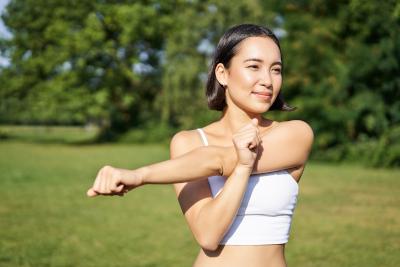
Body flexibility is a key element inining muscle health and performance. Stretching becomes an activity that not only helps reduce the risk of injury, but also increases the range of motion and improves posture. The two main stretching methods that are commonly used are active stretching and passive stretching. Let's explore the differences, benefits, and applications of both.
Active stretching is a stretching of muscles that is not assisted by others (using their own power). Active stretching involves muscle contraction while doing stretch movements. This process requires the active participation of the treated muscle and requires muscle strength to maintain the stretch position.
Dynamic stretching is a stretching exercise that is performed with the presence of movement. In other words, an individual swings or reflects movements to extend the range of joint movement. This stretch involves full body movements that help prepare the muscles for physical activity. Examples include lunges (move forward by bending the knee) or leg swings (dynamic stretching that focuses on the pelvic, thigh, and thigh muscles).
2. Active Static Stretching:
Active static stretching involvesining the stretching position without external assistance. For example, sit with your feet straight and hold your toes with your hands. The muscles needed to maintain this position are stretched that can increase flexibility.
The benefits obtained from active stretching are:
Passive stretching involves stretching muscles with external help, such as gravity or workout companions, others (they don't use their own power). It does not involve active muscle contractions and provides constant pressure to increase flexibility. Some examples of passive stretching are:
1. Static Stretching:
Static stretching involvesining the stretching position for a longer period of time, usually between 15 and 60 seconds. It helps the muscles and tendons to shrink and extend naturally. The treated muscle is left in a stretching position without active movement during the period.
2. Assisted Stretching:
Assisted stretching involves the assistance of a third party, such as a coach, co-worker or other person, to provide stress or physical assistance in stretching. This allows for deeper and more effective stretching.
The benefits of passive stretching are:
Both active and passive stretching have their respective benefits, but the correct use depends on the individual needs, therapy or purpose of the exercise. Both active and passive stretching have their place in body care and performance improvement. A combination of both in a stretching routine can provide optimal benefits, increase flexibility, and reduce the risk of injury.
Before starting a new stretch routine, it is always advisable to consult a health professional, therapist or physical trainer to ensure that it matches the physical condition and purpose of the individual exercise. With a wise approach to stretching, one can increase flexibility, reduce the risk of injury, and support overall muscle health.
#muscle workshop phrm
#muscle specialists phrm
Source image : https://www.freepik.com
2022 PH Remedial Massage. All Rights Reserved. | Designed By cvsip