Getting to Know the Quadriceps Muscles and the Risk of Injury That May Occur
30 Juni 2024
Read : 796
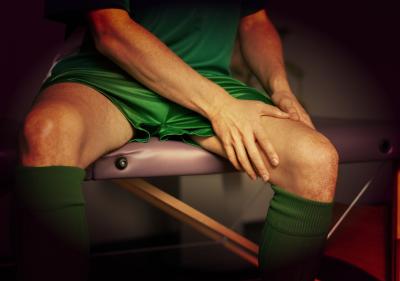
Location and function of the quadriceps muscle and injury triggers
The quadriceps muscle or quadriceps muscle is the strongest muscle in the body which functions to swing the legs and maintain body balance when walking, such as when kicking a ball, running, jumping. The quadriceps muscle is located in the thigh and consists of:
- Rectus Femoris: This muscle has 2 heads that originate from the pelvic and hip bones and extends to the kneecap. The rectus femoris is the only quad muscle that spans the hip and knee joints.
- Vastus Intermedius: This muscle is located under the Rectus Femoris, precisely in the middle of the thigh, with the main function of extending the knee.
- Vastus Lateralis: This muscle runs along the outside of the thigh and connects the thighbone to the kneecap. Vastus Lateralis is the largest muscle in the quadriceps.
- Vastus Medialis: This muscle runs along the inside of the thigh and also connects the thighbone to the kneecap.
These muscles have heads that are fused into one tendon, namely the quadriceps femoris tendon which attaches to the kneecap.
Despite being the strongest muscle, it is susceptible to injury and bruising. This muscle also easily experiences tension in the knee and hip joints, causing quad strains or pulled quads. If one of these 4 muscles becomes tense, the pain can spread from the knee to the waist.
Anyone can experience a quad strain, especially:
- People aged 40 years and over;
- People who are overweight (obese);
- People with certain health problems;
- People who have experienced a quad strain before;
- People who experience quad muscle fatigue; And
- People with weak quadriceps or hamstrings.
When the quadriceps muscle is strained or torn, it can result in inflammation of the quadriceps tendon that attaches to it. This inflammation can cause tendon degeneration over time which then leads to Quadriceps Tendinitis.
A. Causes of Quadriceps Tendinitis
The most common cause of Quadriceps Tendinitis is overuse due to repetitive movement of the tendon in a certain way, causing small tears, such as:
- Poor posture when sitting;
- Bad walking habits, including wearing uncomfortable shoes, causing poor posture when walking;
- Sudden increase in physical activity;
- Strenuous exercise for a long time without proper preparation and warm-up; as well as
- Muscles experience trauma, such as jumping on a hard surface.
B. Symptoms of Quadriceps Tendinitis
Quadriceps tendinitis causes pain in the lower part of the thigh and front of the knee, precisely above the kneecap (patella). For more details, here are the general symptoms of Quadriceps Tendinitis:
- Pain that feels dull and gets worse over time;
- Pain that gets worse after sitting for too long or jumping, squatting and running;
- Stiffness, especially in the morning;
- Swelling appears in the knee area;
- Muscles feel soft and weak;
- Knees feel sensitive to touch;
- The appearance of a feeling of warmth or burning pain in the knee area; as well as
- Difficulty moving the legs, such as sitting, walking, jumping, squatting, running and kicking.
C. Tips for Avoiding and Overcoming Quadriceps Tendinits
- Many muscle complaints occur due to poor body posture when sitting or standing. Plus the long hours of work often mean the leg muscles have to work extra hard to support the body for too long. So, start maintaining your muscle health by paying attention to your body position when sitting.
- Always pay attention to your body weight so you don't overdo it. Control your nutritional intake and the food you consume, especially if you are the type of person who vents stress by eating. If you are pregnant, regularly check the health of you and your fetus. Make sure that your baby is not obese and that you do not gain excessive weight.
- Pay attention to proper exercise techniques and remain careful when starting heavy exercise. It's best to do exercise gradually with the right trainer if you just want to try a certain type of exercise.
- Train your quadriceps muscles by stretching or strengthening. Stretching helps increase muscle flexibility and joint range of motion to reduce the risk of injury and prepare muscles before and after activities. Meanwhile, strengthening helps increase muscle strength and endurance, including the muscles that support the body. You can follow the quadriceps muscle training video on our Instagram: @phrmindonesia.
- Exercising without proper warm-up and cool-down can make muscles stiff and tense. Warming up makes the muscles not "shock" when they are used. Because when exercising, muscles produce lactic acid as a result of anaerobic metabolism. Cooling down will help reduce the production of lactic acid in the muscles so that muscle fatigue and stiffness are reduced. The risk of injury such as muscle cramps will also decrease.
- Use the RICE method as first aid. The RICE method is an abbreviation of Rest, Ice, Compress, and Elevate. Where:
- Rest (R): Rest your thigh and knee muscles and reduce their use.
- Ice (I): Cool your thighs and knees with ice for 20 minutes to reduce pain and inflammation.
- Compress (C): If possible, wrap your thighs and knees to limit blood flow.
- Elevate (E): Position your affected leg higher than the other leg. Don't let your foot be crushed so that blood doesn't flow to the injured area.
- If your quadriceps muscle is injured and makes it difficult for you to get up and stand, come to PH Remedial Massage Indonesia to get Remedial Massage treatment and treatment consultation! Immediately schedule your arrival and choose the therapist you want. PH Remedial Massage Indonesia will provide a specialist full body muscle massage, without oil, fast, precise and hassle-free!
By : Rastianta Rinandani dan Glen Stevano Tanihatu
Source :
- https://www.alodokter.com/otot-paha-ketahui-struktur-fungsi-dan-gangguan-yang-dapat-terjadi#:~:text=4.%20Quadriceps&text=Otot%20quadriceps%20atau%20otot%20paha,gerakan%20menendang%20ketika%20bermain%20bola
- https://my.clevelandclinic.org/health/body/22816-quad-muscles
- https://www.healthline.com/health/quadriceps-tendonitis#risk-factors
- https://www.mercy.com/health-care-services/orthopedics-sports-medicine-spine/specialties/knee-leg/conditions/quadriceps-tendonitis
- https://www.freepik.com